
 What is it? Coaching and training are an integral part of the services we provide at Elite Research, in alignment with our goal of empowering researchers through education and communication during all aspects of the research process. We base our coaching and training services on the unique needs of each of our clients.
Coaching is a collaborative relationship between you and one of our research consultants to guide and motivate you through a particular process so you can produce the best results in a timely manner for your research project. It is most useful for students who are completing their dissertation or thesis, or students or researchers working on manuscripts. Coaching may be customized for your needs on a regular schedule or on an as-needed basis.
Training is for those who would like to increase their knowledge and understanding about a research method, data collection or analysis technique, analysis software, or dissertation/thesis defense. Training is offered for groups or individuals, with in-person or virtual options. Our research consultants can tailor the support that you need to ensure that you not only complete a project, but also acquire new knowledge and understanding about conducting qualitative research through coaching and training.

What Are Some Data Collection Challenges and How Do You Overcome Them? (Part 3 of 3)
Articles and White Papers About Considerations How do You Develop an Evaluation Plan? Read More How Do You Get Started With Your Program Evaluation? Read More What Do You Need to Consider About Program Evaluation? Read More How Does Your Organization Build Its Credibility? Read More Load More
Read More
Designing Qualitative Research Workshops for Coaching
Introduction Designing effective qualitative research workshops involves a strategic approach to meet the needs and expectations of participants. As a coach, start by understanding your audience and their specific goals to tailor the content appropriately. Craft a comprehensive program that includes foundational knowledge, practical exercises, and interactive elements to foster...
Read More
Top 10 Skills for Effective Qualitative Research Coaching for Individual Researchers
Introduction Qualitative research is a powerful tool for uncovering deep insights and understanding unique and complex experiences. However, conducting high-quality qualitative research requires more than just a research question and plan; it demands skillful coaching to navigate its intricacies. For individual researchers looking to make an impact in their field,...
Read More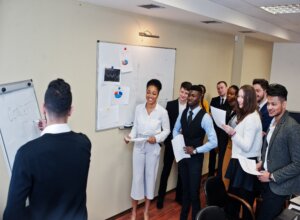
Empowering Independent Researchers: 5 Best Practices for Qualitative Coaching and Mentorship
Introduction Quality coaching and mentorship is invaluable in almost any setting. For those new to qualitative research, having a mentor that can teach them methodologies, methods, and best practices can be extremely helpful. Mentorship and coaching play a crucial role in personal and professional development, offering guidance and support to...
Read More