Introduction
Proposal development, particularly for research, development, and grant submissions (RDGS), is a complex process that requires effective collaboration. Successful proposals often result from the combined efforts of interdisciplinary teams working cohesively toward shared goals. This article highlights five best practices for fostering collaboration in proposal development.
Best Practices
- Establish Clear Roles and Responsibilities
Defining roles and responsibilities at the beginning of the proposal development process ensures that team members understand their contributions. A lack of clarity can lead to duplication of effort or missed tasks, which can undermine the proposal’s quality and efficiency. Establishing clear roles fosters accountability and improves team productivity. Assigning roles ensures that every aspect of the proposal is addressed. Best practices include using a responsibility assignment matrix to clarify tasks, conducting kickoff meetings to communicate expectations and roles, and regularly reviewing responsibilities to address any gaps or overlaps.[1]
- Foster Open Communication
Open communication is essential for ensuring alignment and resolving conflicts during the proposal development process. Effective communication channels facilitate the exchange of ideas, feedback, and updates, promoting transparency and trust within the team. Teams with good communication practices are more likely to produce coherent and competitive proposals. Virtual communication tools are particularly useful for geographically dispersed teams. Best practices include scheduling regular check-ins to discuss progress and address challenges, encouraging team members to voice concerns and provide feedback, and using collaboration tools to centralize communication and document sharing.[2]
- Build Interdisciplinary Teams
Proposals often require input from experts across various fields to address complex problems comprehensively. Interdisciplinary collaboration enhances the proposal’s depth and breadth by integrating diverse perspectives and expertise. Interdisciplinary teams significantly improve the quality of research proposals. Diverse teams are also better equipped to anticipate reviewer concerns and offer innovative solutions. Best practices include identifying and recruiting team members with complementary expertise, encouraging cross-disciplinary learning through workshops or brainstorming sessions, and highlighting the team’s interdisciplinary strengths in the proposal narrative.[3]
- Leverage Collaborative Technologies
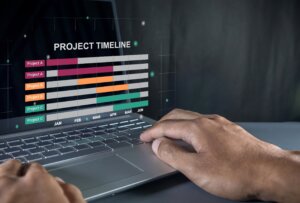
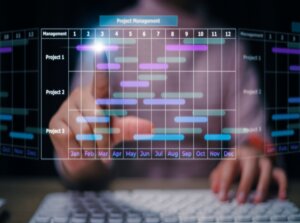
Collaborative technologies streamline the proposal development process by enabling real-time editing, version control, and task management. Tools such as Google Workspace, Asana, and Miro enhance team efficiency and reduce administrative burdens. These tools also facilitate remote collaboration, making them indispensable in virtual work environments. Best practices include using cloud-based platforms for document sharing and editing, implementing project management software to track deadlines and tasks, and providing training on collaborative tools to ensure effective utilization.[4]
- Conduct Iterative Reviews and Feedback Sessions
Regular reviews and feedback sessions are critical for refining the proposal and ensuring alignment with funding agency requirements. Iterative reviews allow teams to identify weaknesses, resolve inconsistencies, and enhance the overall quality of the document. Proposals that undergo multiple rounds of internal review are more likely to secure funding. Feedback sessions also foster a culture of continuous improvement and collective ownership. Best practices include scheduling periodic reviews at key milestones in the proposal timeline, soliciting feedback from both internal and external stakeholders, and creating a checklist to ensure that all aspects of the proposal are addressed.[5]
Conclusion
Collaboration is a cornerstone of successful proposal development. By establishing clear roles, fostering open communication, building interdisciplinary teams, leveraging collaborative technologies, and conducting iterative reviews, teams can enhance the quality and competitiveness of their proposals. These best practices not only improve the likelihood of securing funding but also strengthen team dynamics and professional growth.
Take Away
This article outlines 5 best practices for collaboration in successful proposal development. As academic and research funding becomes increasingly competitive, effective collaboration remains an indispensable tool for achieving success in proposal development.
[1] Jackson, S. (2021). Leaders perceived team talent development capabilities: the impact of self-efficacy, role clarity, and role overload.
[2] Robinson, J., Dusenberry, L., & Lawrence, H. M. (2016, October). Collaborative strategies for distributed teams: Innovation through interlaced collaborative writing. In 2016 IEEE International Professional Communication Conference (IPCC) (pp. 1-9). IEEE.
[3] .Das, A. K. (2015). Scholarly communication (Vol. 1). UNESCO Publishing
[4] Nowotny, H., Downey, G. J., Feinstein, N. W., McBee, D., Leahey, E., Kleinman, D. L., … & Reisch, H. (2016). Investigating interdisciplinary collaboration: theory and practice across disciplines. Rutgers University Press.
[5] Bozeman, B., & Boardman, C. (2014). Research collaboration and team science: A state-of-the-art review and agenda.